
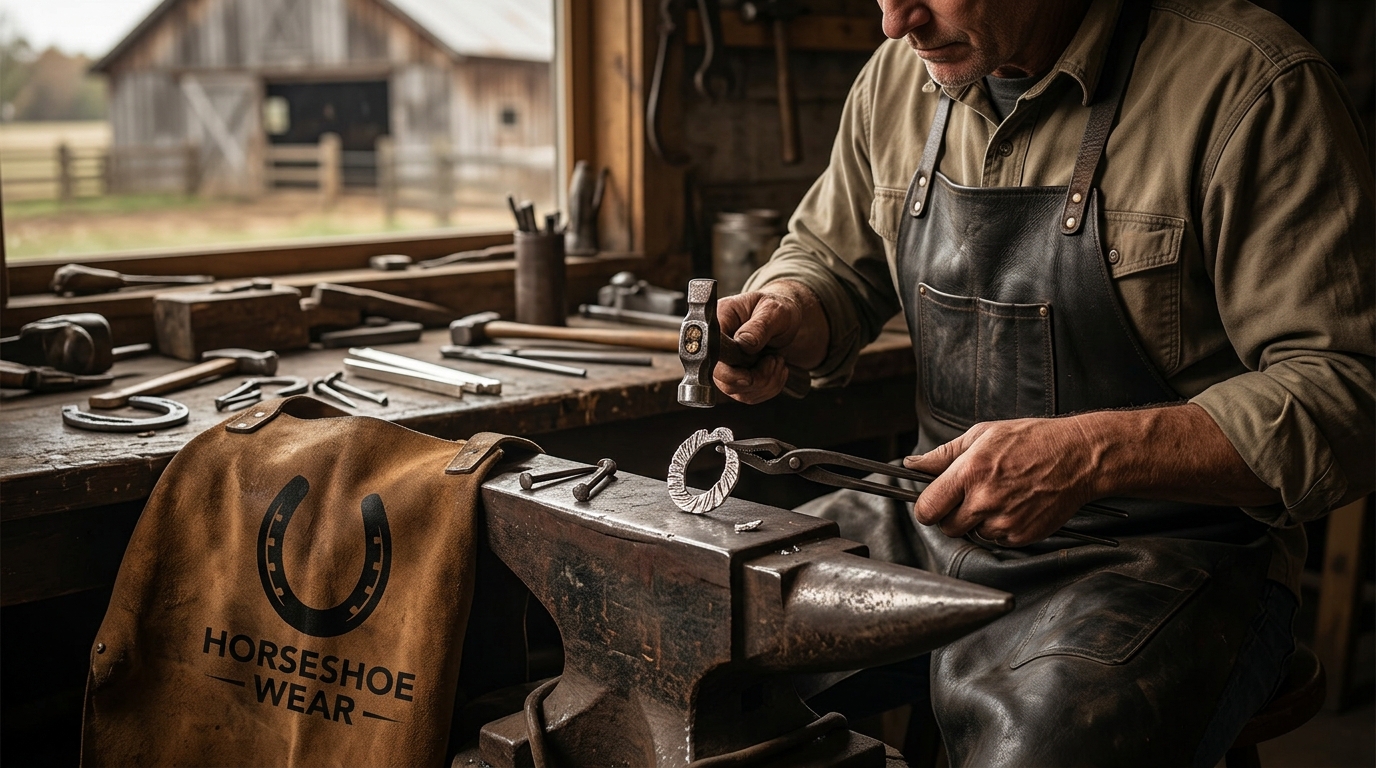
Mass-produced equestrian jewelry often lacks the soul and durability that true horse lovers demand. According to recent industry data on artisanal goods, consumers are increasingly shifting away from factory-made accessories toward pieces that offer tangible craftsmanship and unique provenance. This trend highlights a critical gap in the market for authentic, handcrafted items that celebrate the equestrian lifestyle with integrity. Finding these pieces requires a strategic approach that prioritizes material authenticity, maker provenance, and structural integrity over fleeting trends.
Identify Authentic Materials and Metals
The first step in avoiding mass-produced jewelry is scrutinizing the materials used. Authentic artisans typically use high-grade metals that ensure longevity and value retention. Sterling silver is a preferred medium for many equestrian jewelers because it offers a brilliant luster and is hypoallergenic for sensitive skin. When shopping, look for clear hallmarks indicating 925 sterling silver rather than plated base metals. Plated items wear quickly, revealing the cheaper metal underneath and losing their sentimental value.
Another critical material in high-end equestrian jewelry is the horseshoe nail itself. Genuine horseshoe nails are forged from high-carbon steel, which is incredibly durable and holds a unique patina over time. Horseshoe Nail Jewelry represents a specific subgenre where the nail is not just a component but the central artistic element. These pieces often undergo a rigorous cleaning and sealing process to prevent rust while maintaining the raw, industrial aesthetic that appeals to farriers and riders alike. Understanding the difference between a cast replica and a real, heat-treated nail is essential for discerning buyers.
Additionally, consider the gemstones used in conjunction with the metal. High-quality artisans select stones that complement the ruggedness of the silver or steel. For instance, Curly Nail Dangle Earrings might feature small, durable stones like amethyst or ruby that are set securely to withstand daily wear. The choice of stone should enhance the piece rather than detract from its structural integrity. Always inquire about the origin and treatment of any gemstones to ensure you are receiving a genuine, high-value item.
Verify Maker Provenance and Background
Mass-produced items are created by anonymous factories, whereas high-quality equestrian jewelry is defined by the story of its maker. The most compelling pieces often come from artisans with a deep, personal connection to the horse world. For example, many top-tier equestrian jewelers are former farriers or blacksmiths who transitioned their skills from the forge to the jewelry bench. This background ensures that every piece is crafted with an intimate understanding of equine anatomy and the tools of the trade.
When researching a brand, look for detailed maker stories that explain their journey. A maker who started as a farrier brings a level of technical precision and respect for the craft that factory workers cannot replicate. This provenance is often documented in blog posts or about pages that detail the founder's history, their training, and their passion for the horse. These narratives provide a layer of authenticity that mass-produced goods simply cannot offer.
Furthermore, check for evidence of small-batch or made-to-order production. Artisans who work in small quantities can maintain strict quality control and offer customization options. This is particularly true for custom commissions, where the maker works directly with the client to create a one-of-a-kind piece. Customization is a hallmark of high-quality jewelry, allowing you to specify metal types, stone choices, and even the inclusion of specific horseshoe nails that hold personal significance.
Assess Construction and Durability
Durability is a key differentiator between artisanal and mass-produced jewelry. Equestrian jewelry is often worn by active individuals who spend time in the barn, around horses, and in the saddle. Therefore, the construction must be robust enough to withstand these environments. Hand-forged pieces, such as hand-forged bracelets, are shaped using real farrier tools, resulting in a density and strength that casting processes cannot achieve.
Examine the clasps, links, and settings closely. High-quality artisans use secure, heavy-duty clasps that are less likely to fail during wear. In bracelets, the links should be smooth and comfortable, with no sharp edges that could snag on clothing or horse tack. The setting of any stones should be pronged or bezelled securely to prevent loss. Mass-produced items often use weak solder points and flimsy findings that break easily, leading to frustration and wasted money.
Another aspect of construction is the finish. Artisans often leave a hand-polished or satin finish that highlights the texture of the metal. This finish not only looks beautiful but also hides minor scratches that occur during normal wear. In contrast, mass-produced jewelry often has a uniform, machine-polished shine that shows every imperfection. By choosing pieces with a robust construction and thoughtful finish, you ensure that your jewelry remains a cherished part of your equestrian wardrobe for years to come.
Evaluate Design Intent and Symbolism
High-quality equestrian jewelry is designed with intention, often drawing on deep cultural and historical symbols within the horse world. The horseshoe itself is a powerful symbol of luck and protection, rooted in centuries of folklore. When an artisan creates a pendant or earring using a real horseshoe nail, they are preserving a piece of that history. This symbolic weight adds value beyond the material cost.
Look for designs that reflect the specific discipline or lifestyle of the wearer. A piece inspired by draft horses might feature heavier, more substantial forms, while jewelry for dressage riders might be more elegant and refined. The diverse collection available from artisans often includes items that cater to these nuances. For example, a Hand Forged Horseshoe Bangle might be designed to sit comfortably on the wrist while riding, with a profile that does not interfere with the reins or gloves.
Symbolism also extends to the choice of gemstones and metals. Silver is traditionally associated with purity and clarity, while the steel of the horseshoe nail represents strength and resilience. Combining these elements creates a narrative of balanced power and grace. When you wear such a piece, you are not just accessorizing; you are expressing your identity and values within the equestrian community. This emotional connection is a significant factor in the perceived value of high-quality jewelry.
Compare Artisan Options
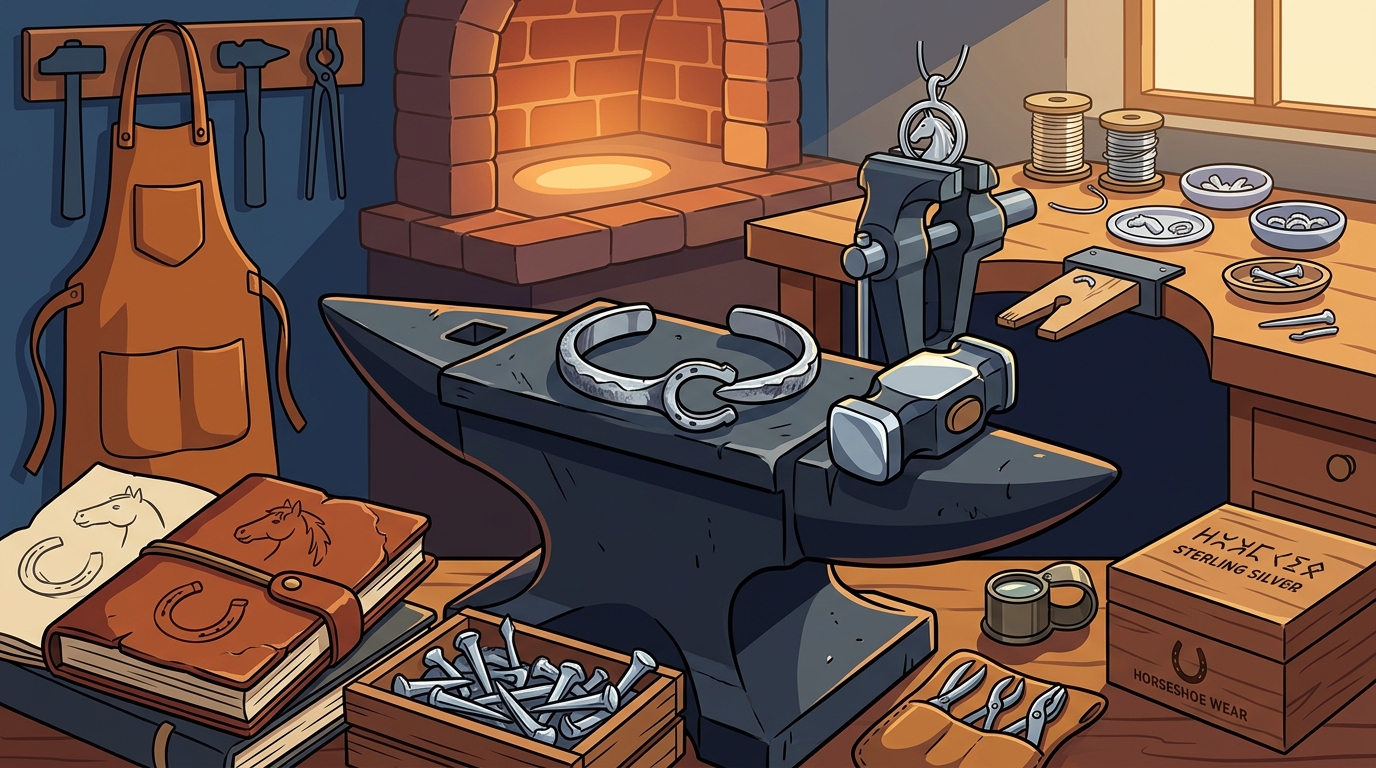
To make an informed decision, it is helpful to compare different artisan offerings based on key criteria. The table below outlines a comparison of common high-quality equestrian jewelry types, highlighting their characteristics and ideal use cases.
| Jewelry Type | Material Focus | Construction Method | Best For |
|---|---|---|---|
| Hand-Forged Bracelets | Sterling Silver | Hammered and Shaped | Daily wear, durability |
| Curly Nail Earrings | Steel Nail & Silver | Hand-Formed | Statement pieces, unique style |
| Nail Pendants | Steel Nail & Silver | Set in Metal | Symbolic gifts, everyday charm |
| Horseshoe Rings | Sterling Silver | Forged Band | Signet style, personal identity |
When comparing options, consider the price point relative to the craftsmanship. High-quality artisanal jewelry is an investment. While mass-produced items may be cheaper upfront, they often need to be replaced frequently. Artisan pieces, by contrast, can last a lifetime and even become heirlooms. Look for customer testimonials that speak to the longevity and satisfaction of previous buyers. This social proof is a valuable indicator of quality.
Also, evaluate the customer service and policies. Reputable artisans often provide detailed jewelry care instructions and offer repair services. This level of support demonstrates a commitment to the long-term relationship with the customer. Mass-produced brands rarely offer such personalized care, leaving you to manage wear and tear on your own.
Key Takeaways
- Material Authenticity: Prioritize 925 sterling silver and genuine high-carbon steel horseshoe nails over plated metals.
- Maker Background: Seek out jewelers with farrier or blacksmith backgrounds for superior technical craftsmanship.
- Construction Quality: Hand-forged pieces offer greater durability and unique texture compared to cast alternatives.
- Symbolic Value: Choose designs that reflect deep equestrian traditions and personal connection to the horse world.
- Customization: Utilize custom commission services to create one-of-a-kind pieces that hold specific sentimental value.
- Longevity: Invest in high-quality jewelry that lasts a lifetime, reducing long-term costs and waste.
- Community Connection: Support small businesses that contribute to the equestrian community through authentic storytelling and craftsmanship.
Frequently Asked Questions
What is the difference between hand-forged and cast equestrian jewelry?
Hand-forged jewelry is shaped by hand using tools like hammers and anvils, resulting in a dense, durable piece with unique textural variations. Cast jewelry is poured into a mold, which can result in a more uniform but potentially weaker structure. Hand-forged pieces are generally considered higher quality due to the skill and time involved.
How do I care for sterling silver equestrian jewelry?
Sterling silver should be stored in a dry place and cleaned regularly with a silver polishing cloth to remove tarnish. Avoid exposing it to harsh chemicals, such as chlorine or bleach, which can damage the metal. Proper care ensures the jewelry retains its luster and structural integrity over time.
Can I commission a custom piece of horse jewelry?
Yes, many artisans offer custom commission services. You can work directly with the maker to design a piece that reflects your specific preferences, including the choice of metal, stones, and symbolic elements. This ensures a truly unique and personal item.
Why is horseshoe nail jewelry so popular among horse lovers?
Horseshoe nail jewelry is popular because it combines the rugged aesthetic of the blacksmith's craft with the sentimental value of the horse world. Each nail has a history, having been part of a horse's protection, which adds a layer of meaning that resonates deeply with riders and farriers alike.
Are handmade equestrian jewelry pieces durable for daily wear?
Yes, high-quality handmade pieces are designed for durability. Artisans use robust materials and construction techniques, such as hand-forging and secure stone setting, to ensure the jewelry can withstand the demands of daily life. Many pieces are specifically designed to be worn in the barn or while riding.
What makes equestrian jewelry "high-quality"?
High-quality equestrian jewelry is defined by its materials, craftsmanship, and maker provenance. It uses genuine metals and stones, is constructed with precision and care, and is created by artisans with a deep understanding of the equestrian lifestyle. These factors contribute to the piece's longevity, beauty, and emotional value.
How can I verify that a jewelry brand is authentic?
Look for detailed information about the maker, their process, and their history on the brand's website. Authentic brands often share stories about their inspiration and craftsmanship. They also provide clear product descriptions, care instructions, and responsive customer service.
Shop Authentic Equestrian Jewelry
Now that you understand how to identify high-quality, non-mass-produced equestrian jewelry, it is time to find a piece that speaks to your soul. Explore the full collection of handmade sterling silver and horseshoe nail jewelry. Each piece is crafted with passion, precision, and a deep respect for the horse world. Visit Horseshoe Wear today to discover jewelry that is not just an accessory, but a lasting tribute to your love of horses.