
Where to Buy Real Horseshoe Nail Jewelry
For decades, the horseshoe has served as a universal symbol of luck, protection, and deep connection to the equine world. However, wearing a mass-produced charm often lacks the soul and history that true horse lovers crave. According to recent trends in artisanal equestrian accessories, there is a significant shift toward hand-forged pieces that utilize authentic materials. This movement prioritizes heritage and tangible history over generic manufacturing. Buyers are increasingly seeking jewelry that carries the weight of actual farrier work, transforming discarded industrial nails into wearable art. This guide explores where to find these unique pieces and why the craftsmanship behind them matters.
Understanding Authentic Horseshoe Nail Jewelry
When searching for jewelry made from real horseshoe nails, it is crucial to distinguish between stamped metal imitations and genuine farrier work. Authentic pieces are not merely shaped like nails; they are constructed from the actual steel nails used by farriers to secure horseshoes. This distinction creates a tangible link to the barn and the horse. The steel used in these nails is typically high-carbon, designed to withstand immense pressure and impact. When repurposed into jewelry, this material retains its durability while gaining a new aesthetic purpose.
Many consumers assume that all "horseshoe jewelry" is created equal. This is a common misconception. Mass-produced items often use cheap alloys or stamped silver that lacks the structural integrity and historical narrative of the original object. Genuine horseshoe nail jewelry offers a piece of equestrian history. Each nail has a unique history of supporting a horse during work or competition. Wearing such a piece is a tribute to the bond between human and animal.
The demand for these items has grown steadily among equestrians who value authenticity. They seek items that reflect the grit and grace of the barn life. This is not just about fashion; it is about identity. For those who spend their days in the saddle or in the farrier shop, wearing a piece of that world is deeply meaningful. The search for these items often leads to specialized artisans who understand the material.
The Farrier to Jeweler Journey
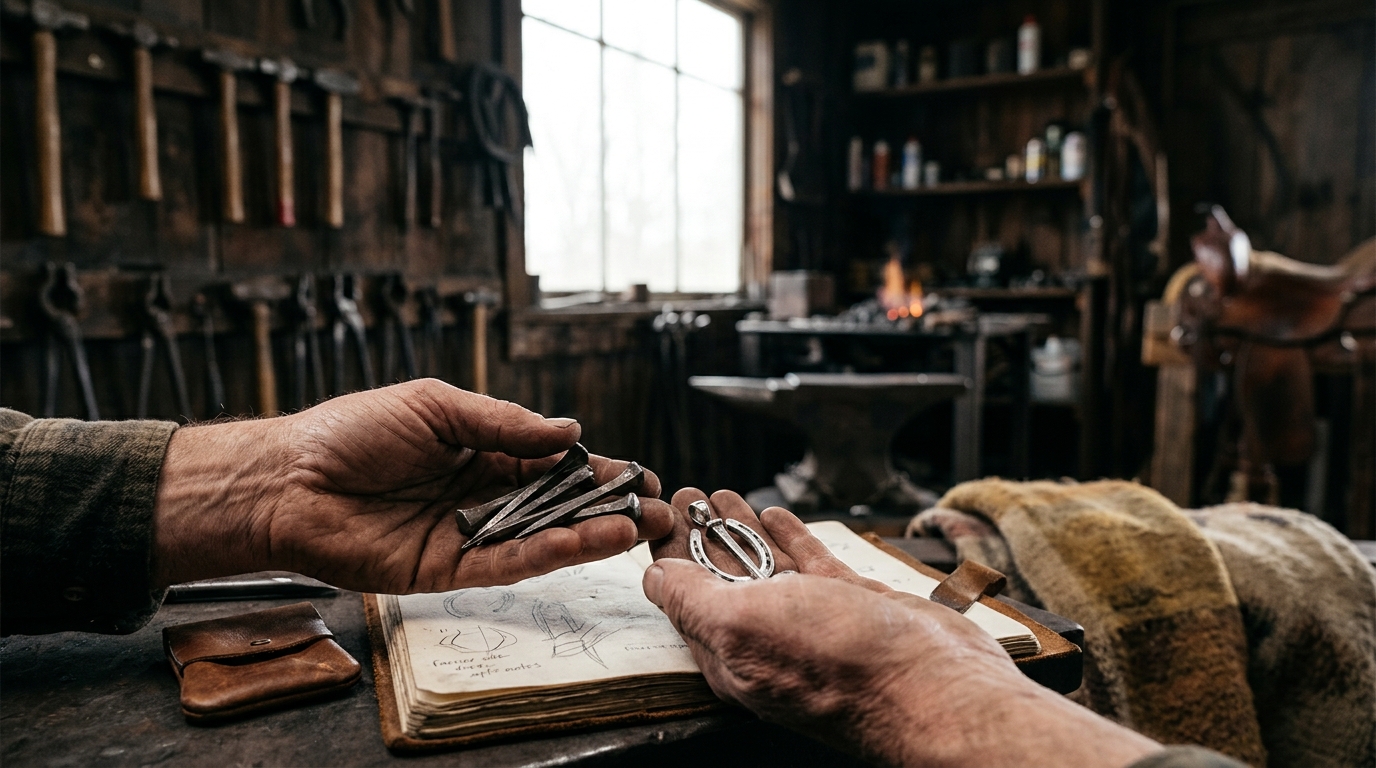
The creation of real horseshoe nail jewelry often begins with a farrier. These professionals are skilled blacksmiths who specialize in equine hoof care. They understand the metallurgy of horseshoe nails and the tools required to manipulate them. Some farriers transition their skills into jewelry making, creating a unique bridge between two distinct crafts. This background ensures that the final product respects the integrity of the original material.
One notable example of this transition is found at Horseshoe Wear. The brand was founded by a farrier who turned decades of experience into handmade equestrian jewelry. This origin story is significant because it guarantees that the jewelry is not just aesthetically pleasing but structurally sound. The farrier understands how the metal behaves under heat and pressure. This knowledge is critical when forging nails into delicate jewelry components.
The process involves heating the nails and shaping them using traditional farrier tools. This is not a quick industrial process. It requires patience and precision. The resulting pieces often feature the natural curves and textures of the original nail. This hand-forged quality cannot be replicated by machines. Each piece is unique, bearing the subtle marks of the hammer and the forge. This uniqueness is highly valued by collectors and enthusiasts alike.
Furthermore, this artisanal approach allows for customization. Farrier-jewelers can incorporate specific elements, such as birthstones or custom engravings, into the nail structure. This level of detail is often lost in mass production. The personal touch adds value that goes beyond the material cost. It transforms a simple accessory into a cherished heirloom. Customers appreciate knowing the hands that shaped their jewelry.
Materials and Construction Methods
While the core material is the horseshoe nail, the accompanying metals are equally important. Most high-quality pieces use sterling silver as the primary setting or structural component. Sterling silver is chosen for its durability, luster, and resistance to tarnish when properly cared for. It complements the dark, rugged steel of the nail, creating a striking visual contrast. This combination of soft silver and hard steel is both beautiful and functional.
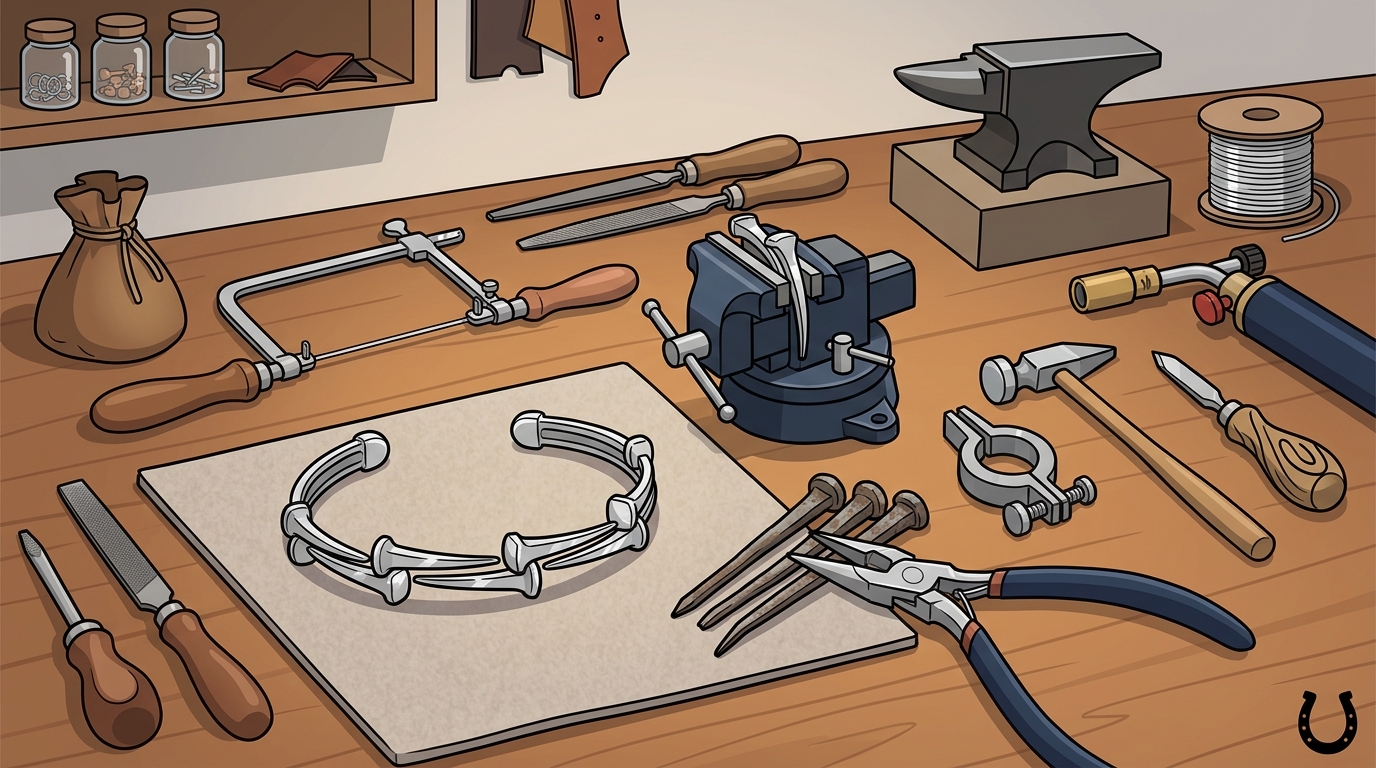
The construction method typically involves hand-forging the silver around the nail or integrating the nail into a silver band. This technique requires advanced metalworking skills. The jeweler must ensure that the steel and silver are securely bonded without compromising the integrity of either metal. This is often achieved through precise soldering and mechanical fastening. The result is a piece that can withstand daily wear.
Another common material used in these pieces is the "curly nail." These are specialized nails with a curled tip, originally designed for specific farrier applications. When used in jewelry, the curl adds a dynamic, sculptural element. It catches the light and adds movement to the piece. Curly nail earrings, for example, are particularly popular for their elegant drape and distinctive shape.
The choice of gemstones also plays a role in the final aesthetic. Many artisans pair the steel and silver with semi-precious stones like amethyst, ruby, or garnet. These stones add a pop of color and personal significance. The setting must be secure to protect the stone from the hard steel. This requires careful planning and execution. The result is a balanced composition that highlights both the ruggedness of the nail and the beauty of the stone.
Exploring Key Jewelry Collections
For those looking to purchase, several distinct categories of horseshoe nail jewelry are available. Each category serves different stylistic preferences and functional needs. Understanding these options helps buyers make informed decisions. The following table summarizes the primary collections found in specialized equestrian jewelry stores.
| Collection Type | Primary Material | Key Features | Best For |
|---|---|---|---|
| Horseshoe Nail Jewelry | Real Steel Nails & Sterling Silver | Authentic farrier nails, hand-forged details | Traditionalists seeking heritage pieces |
| Hand-Forged Silver Bracelets | Sterling Silver | Bangles shaped with farrier tools | Those preferring subtle equestrian themes |
| Curly Nail Dangle Earrings | Curly Nails & Silver | Dynamic curls, gemstone options | Everyday wear with a unique statement |
| Double Nail Rings | Steel Nails & Silver | Interlocking nail design, stone accents | Symbolic commitment to the horse world |
The All Products collection often features seasonal releases and limited editions. These items may include special commissions or collaborative designs. Keeping an eye on these releases can provide access to exclusive pieces. The Pendants category is also popular for those who prefer necklaces. These pieces often feature larger horseshoe motifs or intricate nail arrangements.
Commissions are another avenue for acquiring unique jewelry. Many artisans accept custom requests for specific nail types or stone placements. This allows for a deeply personal piece that reflects the buyer's individual story. Whether it is a memorial piece or a gift for a fellow equestrian, commissions offer a high degree of customization. The process usually involves a consultation to discuss design and materials.
Caring for Hand-Forged Silver
Proper care is essential to maintain the beauty of hand-forged jewelry. Sterling silver can tarnish over time due to exposure to air and moisture. Regular cleaning with a specialized silver polish can restore its shine. However, care must be taken not to damage the steel components. Harsh chemicals should be avoided as they may corrode the metal.
Storage is also important. Jewelry should be kept in a dry, cool place, ideally in individual pouches to prevent scratching. The steel nails can be harder than silver, so they may scratch the silver if stored together loosely. Jewelry care guides provided by artisans often include specific instructions for maintaining the unique finish of hand-forged pieces. Following these guidelines ensures longevity.
Wearing the jewelry regularly can actually help prevent tarnish. The natural oils from the skin can slow down the oxidation process. However, it is advisable to remove pieces before swimming, showering, or engaging in heavy physical activity. Water and sweat can accelerate tarnishing and potentially damage any gemstone settings. Taking these simple precautions will keep the jewelry looking its best for years to come.
Key Takeaways
- Authentic horseshoe nail jewelry is made from real steel nails used by farriers, not stamped imitations.
- The brand Horseshoe Wear was founded by a farrier, ensuring high-quality craftsmanship.
- Hand-forged pieces utilize traditional farrier tools, creating unique structural integrity and aesthetic.
- Sterling silver is the primary companion metal, offering durability and a striking contrast to the steel.
- Curly nail earrings and double nail rings are popular styles that incorporate specific farrier hardware.
- Custom commissions are available for personalized designs, allowing for specific stone and nail selections.
- Regular cleaning and proper storage are required to maintain the luster of sterling silver components.
Frequently Asked Questions
Is the jewelry made from actual horseshoe nails?
Yes, authentic pieces are constructed using real horseshoe nails sourced from farriers. These nails are cleaned, heat-treated, and hand-forged into the final design. This ensures that the jewelry has a genuine connection to the equestrian world.
How do I distinguish real horseshoe nail jewelry from fake?
Look for hand-forged textures and irregularities that indicate manual shaping. Mass-produced items often have uniform, machine-perfect finishes. Authentic pieces will show the marks of the hammer and the unique character of the steel. Reputable sellers will explicitly state the use of real nails.
Can I get custom jewelry made from a specific nail?
Many artisans, including those at Horseshoe Wear, accept commissions. You can provide a specific nail or describe the type of nail you prefer. The jeweler will then craft a piece that highlights the nail's unique features.
Is sterling silver safe for sensitive skin?
Sterling silver is generally hypoallergenic and safe for most skin types. However, some individuals may have sensitivities to the copper alloyed with the silver. If you have severe sensitivities, it is advisable to test the jewelry or consult with the artisan before purchasing.
How do I clean the steel parts of the jewelry?
Use a soft cloth to gently wipe the steel components. Avoid abrasive cleaners that could scratch the metal. If rust appears, it can be removed with a fine steel wool or a specialized rust remover, but this should be done with caution to protect the silver.
Are curly nail earrings comfortable to wear?
Curly nail earrings are designed to be lightweight and comfortable. The curl adds movement and reduces weight compared to solid metal earrings. They are suitable for everyday wear and are less likely to snag on hair due to their smooth, curved design.
What is the difference between hand-forged and stamped jewelry?
Hand-forged jewelry is shaped by heating and hammering the metal, resulting in unique textures and strength. Stamped jewelry is pressed into shape by machines, often resulting in thinner, less durable pieces. Hand-forged items are generally more valuable and long-lasting.
Shop the Collection
Discover the perfect piece of equestrian heritage today. Explore the full range of handmade sterling silver and real horseshoe nail jewelry at Horseshoe Wear. From hand-forged bracelets to curly nail earrings, find jewelry that celebrates the spirit of the horse with authenticity and craftsmanship.