
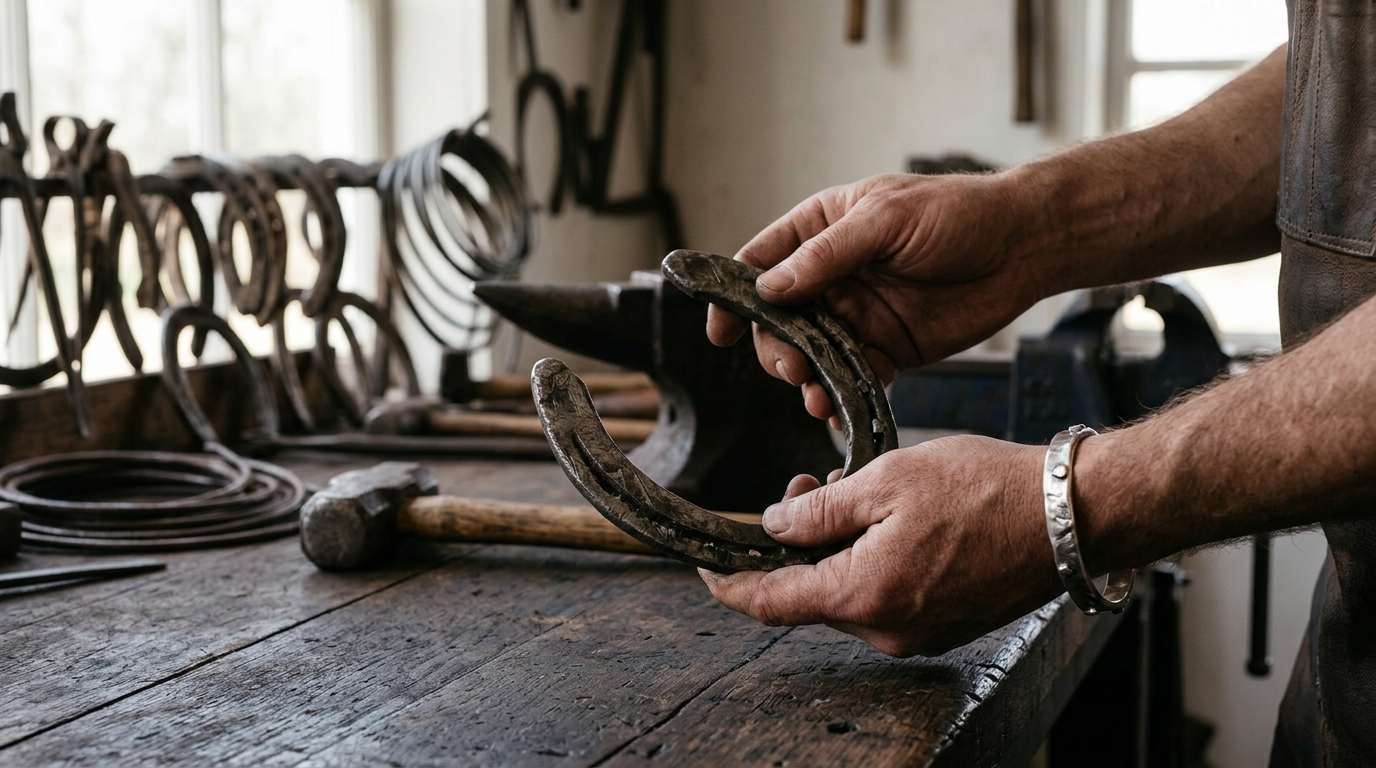
Transforming discarded equestrian equipment into lasting jewelry is a process that blends traditional farrier craftsmanship with modern precious metal artistry. This practice allows horse owners to preserve the memory of a beloved animal by incorporating the actual materials they used during their career. The resulting pieces serve as tangible connections to the bond between rider and horse, turning functional items into sentimental heirlooms.
Why Sterling Silver is the Ideal Medium
Sterling silver is the standard choice for high-end equestrian keepsakes due to its durability and aesthetic compatibility with steel. Horseshoe nail jewelry requires a metal that can withstand the weight and texture of the iron components while providing a bright, reflective contrast. Sterling silver, composed of 92.5% pure silver and 7.5% other metals, offers the necessary strength for daily wear without tarnishing as quickly as pure silver.
The visual appeal of silver lies in its ability to highlight the rustic nature of the horseshoe nail. When polished, the silver frames the dark, textured iron, creating a striking juxtaposition that appeals to both equestrians and jewelry collectors. This combination ensures that the piece remains a focal point of conversation and admiration. According to industry standards for precious metal alloys, sterling silver provides the optimal balance of malleability for shaping and hardness for longevity.
The Farrier-to-Jeweler Transformation
The journey from a worn horseshoe to a delicate bracelet involves a unique set of skills. The process begins with the selection of the nail. Farriers use specific tools to shape horseshoes, and the nails driven into the hoof are hardened steel. These nails are collected, cleaned, and prepared for the jewelry-making process. The integrity of the nail is crucial, as it serves as the central motif of the final piece.
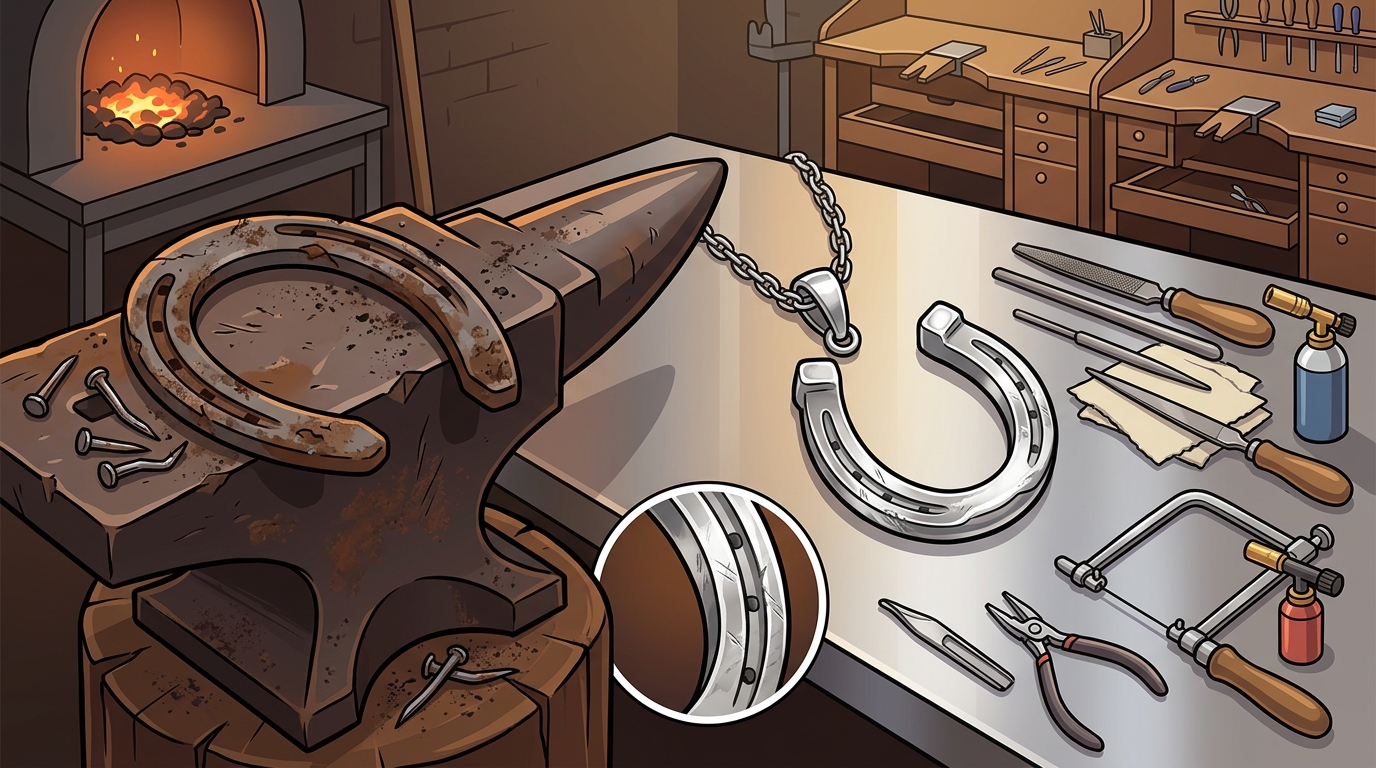
Once the nail is selected, the artisan uses real farrier tools to hand-forge the silver. This technique involves heating the silver and shaping it around the nail using traditional blacksmithing methods. The result is a piece that retains the authenticity of the farrier's craft while elevating it to the level of fine jewelry. This method ensures that each piece is unique, with slight variations that reflect the individual character of the original nail.
The forging process requires precision and experience. The artisan must ensure that the silver is securely attached to the nail while maintaining the desired shape of the bracelet or pendant. This involves multiple stages of heating, hammering, and cooling. The final result is a piece that is not only beautiful but also structurally sound. For more details on the craftsmanship involved, you can explore the farrier to jewelry maker story.
Common Keepsake Jewelry Styles
There are several ways to incorporate horseshoe nails into jewelry, each offering a different aesthetic and level of complexity. Understanding these options helps you choose the right style for your keepsake.
| Style | Description | Best For |
|---|---|---|
| Hand-Forged Bracelets | Bangles shaped with real farrier tools, featuring the nail as the centerpiece. | Those seeking a bold, rustic statement piece. |
| Curly Nail Dangles | Earrings made from the curled ends of horseshoe nails, often set in silver. | Subtle, everyday wear with a touch of equestrian flair. |
| Pendants & Necklaces | Nails set in silver bezels or chains, often combined with gemstones. | Personalized memorials or gifts for horse lovers. |
| Rings | Compact designs incorporating small nail fragments or full nails. | Minimalist jewelry with significant meaning. |
Each style offers a different way to honor the horse. Bracelets provide a substantial presence, while earrings offer a delicate nod to the equestrian lifestyle. Pendants allow for the inclusion of birthstones or other personal elements, making them ideal for custom commissions. You can browse the full collection of handmade jewelry to see these styles in detail.
Maintaining Your Sterling Silver
Sterling silver requires regular maintenance to keep its luster and prevent tarnish. Tarnish is a natural chemical reaction that occurs when silver is exposed to sulfur in the air. While it adds character, excessive tarnish can dull the beauty of the piece. Proper care ensures that your keepsake remains a vibrant symbol of your horse's memory.
To clean your jewelry, use a soft polishing cloth designed for silver. Gently rub the surface to remove tarnish and restore shine. Avoid using harsh chemicals or abrasive materials, as these can damage the silver or the iron nail. For deeper cleaning, a mild soap and water solution can be used, followed by thorough drying.
Storage is also important for preserving the condition of your jewelry. Keep pieces in a dry, airtight container when not in use. Anti-tarnish strips can be placed in the storage box to absorb moisture and sulfur. For more detailed guidance, refer to the jewelry care guide provided by the artisan.
Key Takeaways
- Authentic Materials: Keepsakes use real horseshoe nails and sterling silver, ensuring a genuine connection to the horse.
- Hand-Forged Craftsmanship: Each piece is shaped using traditional farrier tools, making every item unique.
- Durability: Sterling silver is chosen for its strength and resistance to wear, suitable for daily use.
- Custom Options: Commissions allow for personalization, including the choice of gemstones and specific nail styles.
- Emotional Value: These pieces serve as powerful memorials, preserving the spirit of the horse in a wearable format.
- Care Requirements: Regular polishing and proper storage are essential to maintain the silver's shine.
- Artisan Quality: Supporting handmade jewelry ensures high-quality standards and ethical sourcing of materials.
Frequently Asked Questions
Can I send my own horseshoe nails?
Yes, many artisans accept nails from your horse's shoes. It is important to clean the nails thoroughly before sending them to ensure they are free of dirt and debris. The artisan will then incorporate them into a custom design.
How long does it take to make a keepsake bracelet?
The creation process typically takes several weeks, depending on the complexity of the design and the current workload of the artisan. Hand-forging is a meticulous process that cannot be rushed.
Is sterling silver safe for sensitive skin?
Sterling silver is generally hypoallergenic and safe for most skin types. However, some individuals may have sensitivities to the copper alloyed with the silver. It is advisable to test the jewelry on a small area of skin first.
What is the difference between a hand-forged and a cast piece?
Hand-forged pieces are shaped by hand using tools, resulting in unique textures and variations. Cast pieces are made using molds, which can produce more uniform results but lack the individual character of hand-forged items.
Can I add gemstones to my keepsake?
Absolutely. Many designs allow for the addition of gemstones, such as amethyst or ruby, to complement the silver and nail. This adds a personal touch and can represent the horse's eye color or your birthstone.
How do I measure for a perfect fit?
Use a flexible measuring tape to measure the circumference of your wrist. Compare this measurement to the size chart provided by the jeweler. If you are between sizes, it is usually best to choose the larger size for comfort.
Are the nails sharp or dangerous to wear?
No, the nails are carefully filed and smoothed during the forging process to ensure they are safe and comfortable to wear. The artisan ensures that all edges are rounded and polished.
Commission Your Keepsake
Ready to preserve the memory of your horse? Contact Horseshoe Wear to discuss your custom commission. Our team is dedicated to creating high-quality, meaningful jewelry that honors the bond between you and your horse. Visit our contact page to start the conversation today.